
Have you ever launched a beautifully designed ad that completely flopped while a messy, low-effort creative outperformed everything else in your account?
It’s confusing, right? You spend time, budget, and energy on polished assets, and then an “ugly” ad quietly steals the spotlight. Suddenly, your CPAs rise, your best creatives fatigue faster than expected, and you start doubting your entire creative strategy. It feels like you’re missing something the algorithm clearly sees, but you don’t.
So if you manage UA campaigns for mobile games or DTC brands, this blog is for you. It explains why high-performing brands often use ugly ads that outperform polished ads and shows how they help UA teams improve performance across campaigns.
What is an ugly ad?
An ugly ad is a creative that looks raw, unpolished, and intentionally low-fi, yet performs strongly because it feels real and native to the feed. It often uses simple text, basic visuals, shaky footage shot on a phone, voice-overs with slight background noise, and nothing glossy or studio-perfect. It blends into the platform and grabs attention through authenticity.
Remember, “Ugly” doesn’t mean poorly made; it means you stop obsessing over perfect lighting, expensive cameras, or flawless production. Instead, you focus on what actually drives UA results. This means pulling people into the problem, showing value fast, and making it easy to push users to take action.
As more brands embrace this authentic approach, the results are hard to ignore. Here’s why top-performing brands are choosing ugly ads to drive success.
Why High-Performing Brands Use Ugly Ads
High-performing brands use ugly ads because they feel real, reduce friction, and help users instantly understand the product. These ads lower creative costs, speed up testing cycles, and make it easier to react to platform trends before they fade.
Here are the key reasons why top-performing brands choose them: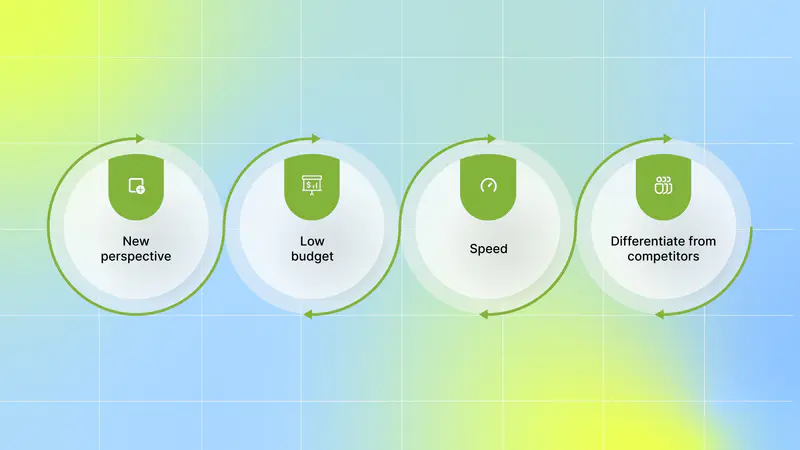
New perspective: Ugly ads feel like real user content. They show the product or experience as it truly looks, which helps users imagine themselves using it. This lowers the barrier to purchasing your product.
Low budget: You don’t need extra budget or studio-quality production. Whether your spend is $50 or $50,000, you can create ugly ads quickly and start testing the same day.
Speed: Simple production means you can move fast. You can jump on trends, test new concepts instantly, and catch momentum while it still matters.
Differentiate from competitors: When every competitor focuses on perfect visuals, raw and imperfect creatives stand out. Ugly ads make users stop, look, and listen, giving you a performance edge across crowded feeds.
While ugly ads can be effective across various campaigns, their true power shines in specific scenarios.
Also Read: Creative Testing Strategies for Mobile UA Campaigns in 2025
When Ugly Ads Work Best
Ugly ads shine when authenticity beats aesthetics. Today, the customers want real moments, real product use, and real voices. Most people scroll past anything that feels too polished. This is exactly where ugly ads win.
Here are the situations where ugly ads deliver their strongest performance:
Early creative testing where you need quick signals on hooks, angles, and value props.
Platforms like TikTok, Meta Reels, and Shorts, where raw content outperforms polished ads.
When polished creatives fatigue fast. You need fresh variations without long production timelines.
During trend waves, reacting within hours, not weeks, helps you capture momentum.
For products that need social proof from real-use demos, such as DTC product trials or subscription app walkthroughs.
If you want to collect data-backed insights to know what’s working in these unpolished ads, Segwise can help. Segwise is an AI-powered creative analytics platform that connects creative elements (hooks, dialogs, visuals, formats, etc.) directly to business outcomes (ROAS, CPA/CPI, LTV, IPM, conversion rates), so teams stop guessing what works and start scaling creatives with data-backed confidence.
Now, let’s take a closer look at the different formats of ugly ads that are making a significant impact.
Types of Ugly Ads That Actually Work
Ugly ads work because they feel exactly what your users expect. These formats reduce production time without hurting performance. Here are the types of formats trending right now:
1. User-Generated Content (UGC) Videos
These are raw, selfie-style videos shot on a phone. They include casual product demos, raw reactions, quick testimonials, or a simple front-camera explanation. Users trust it more because they feel honest and instantly relatable. This boosts engagement, reduces ad resistance, and increases install and purchase intent.
For example, in the Veganic Natural Hair Oil video, the creator simply talks to the camera, shows the bottle up close, applies the oil in her bathroom, and shares her experience in a natural tone. There’s no studio setup, no lighting kit, and no heavy edits. It feels like a friend recommending a product, which is exactly why users stop scrolling and pay attention. The authenticity makes viewers trust the message and imagine the product working for them.
2. The Meme Style
These ads use simple images, bold text, or internet humor to deliver a message fast. They break patterns immediately and feel native to the way users already consume content. Memes create instant emotional connection, curiosity, or pain-point recognition. They stop the scroll fast and communicate your message in seconds, which is perfect for crowded UA feeds.
For example, in this meme, the creator uses a reaction image paired with the line “When you enter an Adidas shop, and you see your salary written on a pair of shoes.” It’s low-effort, funny, and instantly relatable. Anyone who has ever seen expensive sneakers feels the joke immediately. This emotional hit is what makes meme-style ads so effective. They capture attention in under a second and pull users into the message without looking like an ad at all.
3. The Response Style
One of the most common ways to create “ugly” ads is by responding to a comment just like you would if a follower asked you a question on TikTok or Instagram. This format feels natural, unscripted, and personal, which is exactly why users stop scrolling and pay attention.
For example, “The Ordinary” brand creator answers a comment asking, “Hi Ordinary, can it be used on butt acne?” She replies in a friendly, direct way while showing the product and giving a clear “YES.” There’s no script, no studio, and no over-editing, just a natural explanation to a real question. This makes viewers feel acknowledged and informed, which improves trust and increases the likelihood of trying the product.
4. The Post-it Style
This format uses handwritten notes, scribbles, doodles, or sticky notes to highlight the message. It looks imperfect and unexpected, which grabs attention because it doesn’t feel like a typical ad. It also communicates benefits quickly, making it ideal for urgent offers or features.
For example, Athena Club uses bright Post-it notes placed around their razor kit with handwritten messages. The handwriting, uneven spacing, and casual layout make the creative look raw and human. This instantly catches the eye and helps users understand the key benefits in seconds, which is exactly why Post-it style ads drive strong performance in UA campaigns.
5. The Message Style
Message-style ads look like chats, DMs, or SMS conversations. They feel personal and trigger natural curiosity. Users want to know “what happened next?” This format also builds trust fast because it reads like real feedback or social proof, which is especially powerful for DTC brands and subscription apps.
For example, in the Hush’D ad, the brand shares a real customer DM in which the user talks about how much they love the skincare products. The brand then replies warmly, thanking them for their review. This raw screenshot of a conversation feels authentic, unscripted, and relatable. It instantly conveys trust and product satisfaction without any polish.
After understanding the types of ugly ads that drive performance, it’s time to focus on tips to create them effectively.
Tips to Build High-Converting Ugly Ads
Creating ugly ads that convert isn’t just about raw visuals; it’s about crafting relatable content that speaks to your audience. Here are some tips to help you create ads that drive results without the need for polished perfection:
1. Authenticity is essential
Consumers can spot inauthentic ads right away. If an ad feels too “salesy,” it won’t convert. Focus on making your ad feel like something a friend would share. Real, personal content builds trust and encourages conversions.
2. Partner with Ugly Ad Specialists
If you can’t keep up with creative volume, work with a team focused on ugly ads like Ugly Ads. They act as your external design team, delivering weekly ad packs for Meta and TikTok. They’re not media buyers, just creators of high-performing formats like iPhone-style statics, raw UGC visuals, and text-heavy hooks, so you can focus on scaling while they keep your ads fresh, and you can claim your first ad pack free.
3. Encourage your team to create UGC internally
Your employees, creators, and even customers can generate amazing ugly-ad content.
Run monthly contests like:
• “Make the weirdest product video.”
• “Show how you actually use this in real life.”
• “Film everything on your phone.”
Gamify it. Offer rewards. The more raw content you collect, the faster you can test and scale.
4. Focus on the First Few Seconds
In ugly ads, the first few seconds are crucial. Users need to understand the message immediately, so make sure your hook grabs attention right away. Whether it’s through humor, curiosity, or a relatable moment, focus on creating a strong, clear opening that makes users want to keep watching.
If you want to collect data-backed insights on what makes your first few seconds truly impactful, choose platforms like Segwise. With Tag-Level Creative Element Mapping, you can identify which specific creative elements drive performance. Discover patterns like "this hook dialog appears in 80% of our top-performing creatives," all while benefiting from complete MMP attribution integration.
5. Stay Consistent with Your Ad’s Style
Once you choose a format for your ugly ads, stick to it. Whether it’s memes, selfie videos, or response-style ads, users have expectations for certain formats (like the classic "Impact" font for memes). Deviating too far from these formats can make the ad feel out of place, reducing engagement. Consistency keeps your content feeling familiar and native to the platform, which helps improve user interaction and conversions.
6. Test Multiple Variations
Ugly ads thrive on experimentation. Try creating multiple variations with different hooks or formats (e.g., memes, selfie videos, text-only ads) and see which performs best. With raw content, you can quickly test and iterate without major production costs. This helps reduce fatigue and enables faster optimization for UA teams.
Also Read: A Beginner's Guide to A/B Testing Ads for Optimization
Conclusion
Ugly ads have proven to be a game-changer for user acquisition teams. By embracing raw, unpolished creatives, brands can reduce production costs, speed up testing, and connect with their audience on a deeper, more authentic level. From user-generated content (UGC) to meme-style ads, these approaches deliver strong performance by feeling native to the platforms where they appear.
If you want to know exactly which creative elements drive performance for your ugly ads, whether it's unpolished visuals or hooks, Segwise can help you.
Our powerful, multi-modal AI creative tagging automatically identifies and tags creative elements like hook dialogs, characters, colors, and audio components across images, videos, text, and playable ads to reveal their impact on performance metrics like IPM, CTR, and ROAS. Moreover, with fatigue tracking, you can catch fatigue before it impacts your budget allocation and campaign results.
With tag-level creative element mapping, you can see which specific creative elements, themes, and formats drive performance across your campaigns. You can also discover patterns like "this hook dialog appears in 80% of top-performing creatives" with complete MMP attribution integration. By understanding the specific elements that drive performance, Segwise helps you refine your ugly ads to maximize their impact.
So, are you ready to take your ugly ads to the next level? Start your free trial today and unlock the power of data-driven creative optimization to boost your UA results.