
Key Takeaways
Headline Role: Your Facebook ad headline reinforces the message and quickly communicates the value of your offer. A clear, concise headline can significantly improve clicks and engagement.
Value First: High-performing headlines highlight a specific benefit, outcome, or solution users care about. Clear value propositions help your ad stand out in crowded feeds.
Engagement Triggers: Questions, urgency, numbers, and social proof can help stop the scroll and capture attention.
Test & Optimize: Testing benefit-driven and feature-driven headlines helps you understand what resonates with your audience. Small headline changes can lead to meaningful improvements in CTR and conversions.
Creative Alignment: Headlines work best when supported by strong creatives. Tracking creative performance and refreshing fatigued ads helps maintain engagement and scale winning campaigns.
Are you also spending hours brainstorming new ad creatives but still struggling to write headlines that actually convert?
Many creative strategists face this exact challenge; knowing what to say in just a few words that convince users to click. No matter how strong your visuals and targeting are, if your headline doesn’t stop the scroll, your ad gets ignored. For mobile game studios, DTC brands, or subscription apps running paid campaigns, this often means lower CTR, rising CPAs, and creatives that burn out before they ever scale.
In this blog, you’ll learn powerful tips to craft effective Facebook ad headlines and proven best practices you can apply to improve engagement, conversions, and overall ad performance.
What Exactly Is a Facebook Ad Headline?
A Facebook ad headline is the short line of text that appears below your ad creative and highlights the main value or offer. It works with your visual and primary text to reinforce the message and encourages people scrolling through their feed to stop and pay attention.
If you’re a creative strategist running campaigns for mobile games, DTC brands, subscription apps, or growth agencies, the headline gives you another opportunity to strengthen your ad concept. You can use it to highlight a key benefit, reinforce the product value, or clarify the offer. A clear headline helps confirm the message and encourages users to take the next step.
One more thing to remember: if you’re using carousel ads, each card can have its own headline. This gives you multiple chances to test different messages and see which ones resonate best with your audience.
Now that you know what a Facebook ad headline is, the next step is understanding what separates high-performing headlines from the ones users scroll past.
Also Read: AI Tools to Create Winning Facebook Ads
What Makes a Facebook Ad Headline Effective?
Not every Facebook ad headline performs the same. Some headlines immediately grab attention and drive engagement, while others get ignored in the feed.
Here are the key characteristics that make a Facebook ad headline effective: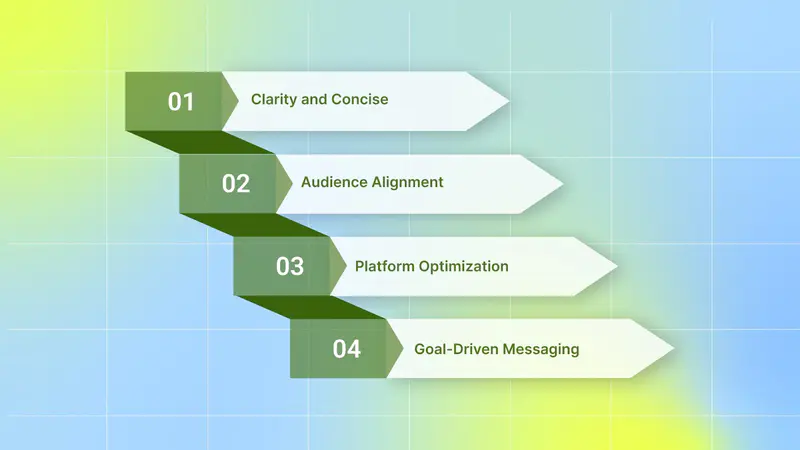
1. Clarity and Concise
Your headline should communicate the ad's value immediately. Avoid vague language or wordplay that requires users to think. People scroll through their feeds quickly, so your message needs to be clear within seconds.
2. Audience Alignment
Strong headlines speak directly to your audience’s needs, problems, or motivations. Whether you're promoting a mobile game, a DTC product, or a subscription app, your headline should reflect what your target users care about most.
3. Platform Optimization
Facebook ads appear across multiple placements like News Feed, Stories, and Reels. Your headline should remain clear and impactful even when space is limited or the format changes.
4. Goal-Driven Messaging
An effective headline supports your campaign objective. Whether your goal is driving installs, purchases, or sign-ups, every word in your headline should push the user toward that action.
The next step is to apply practical tips that help turn headlines into ones that actually drive clicks.
Tips for Writing High-Converting Facebook Ad Headlines
To write high-converting Facebook ad headlines, you need to clearly communicate value, speak directly to your audience’s needs, and align your headline with the creative concept of the ad. As a creative strategist, your goal is to make users instantly understand why the ad is worth their attention.
Here are some practical tips to help you write Facebook ad headlines that drive clicks and conversions:
1. Lead With Specific Value
A strong Facebook ad headline should clearly show the benefit users will get from your product, app, or game. When the value is obvious, users are more likely to stop scrolling and engage with the ad. These headlines work because they clearly show the benefit and the result the user can expect.
For example,
“Win More Battles with Faster Character Upgrades”
(For a mobile game campaign)
To make value-driven headlines stronger:
Highlight a clear benefit the user will experience.
Focus on outcomes rather than generic statements.
Use simple language that users can understand instantly.
2. Use Questions to Spark Engagement
Questions naturally encourage users to pause and think, which helps interrupt the scrolling behavior on social media. When the question reflects a real challenge or goal, users are more likely to engage. These headlines work because they highlight a familiar problem and hint that a solution is coming.
For example,
“Struggling to Find a Skincare Routine That Actually Works?”
(For a DTC beauty brand)
To improve question-based headlines:
Focus on problems your audience already faces.
Keep the question simple and relatable.
Make sure the question leads naturally into your solution.
3. Create Urgency Without Overhyping
Urgency can motivate users to take action quickly, especially when tied to real deadlines or limited opportunities. When done correctly, urgency increases engagement without sounding overly promotional. Your headline should communicate why the user should act now.
For example,
“Season Pass Ends Tonight! Unlock Exclusive Rewards.”
(For a mobile game)
To create effective urgency:
Use real deadlines like promotions, launches, or seasonal offers.
Clearly show what users might miss if they wait.
Avoid overused phrases like “act now” or “limited time only.”
4. Incorporate Social Proof
Social proof helps users trust your product or brand by showing that other people already use and enjoy it. When users see strong adoption or popularity, they feel more confident about engaging with your ad. This is especially effective for DTC products and mobile games with large communities.
For example,
“Loved by 50,000+ Customers for Clearer Skin.”
(For a DTC brand)
To strengthen social-proof headlines:
Include numbers like users, downloads, or customers.
Mention community size or popularity.
Highlight recognition, awards, or achievements.
For creative strategists, this is a simple way to strengthen trust in your ad message.
5. Use Numbers and Statistics
Numbers make headlines more specific and easier to scan in busy feeds. They quickly communicate value and help users understand what they will gain from clicking. For creative strategists, numbers also add credibility to your message.
For example,
“Struggling to Stay Consistent With Your Workouts? Try Our 10-Minute Daily Plans.”
(Subscription Fitness App)
To make number-based headlines more effective:
Use numbers that highlight time, results, or savings.
Keep the headline simple so the number stands out.
Focus on outcomes users care about.
6. Test Benefit-Driven vs Feature-Driven Headlines
Different audiences respond to different messaging styles. Some users care about the outcome, while others want to understand the feature behind the benefit. Testing both approaches helps you learn what resonates best with your audience.
For example,
Version A:“Build the Strongest Empire in This Strategy Game”
Version B: “Conquer New Territories and Grow Your Empire Today”
(For a mobile game)
To optimize headline testing:
Test multiple headline variations for each creative.
Compare performance across audiences and placements.
Use results to refine future headline strategies.
The next step is optimizing them to maximize engagement and campaign results.
Best Practices for Facebook Ad Headline Optimization
Beyond individual strategies, there are several optimization practices that help improve the performance of your Facebook ad headlines. As a creative strategist managing paid campaigns, following these practices can help you create headlines that consistently drive engagement and conversions.
Here are some best practices to optimize your Facebook ad headlines for better performance:
1. Match Headlines to Your Ad Objective
Your headline should support the main goal of your campaign. For example, campaigns focused on app installs, product sales, or subscriptions may require more direct and action-oriented messaging.
2. Maintain Consistency Between the Ad and Landing Page
The promise made in your headline should match what users see after they click the ad. If the message in the headline feels different from the landing page, users may lose trust and leave quickly.
3. Test Headlines Systematically
Testing multiple headline variations helps you understand what messaging resonates best with your audience. Instead of guessing, you can use real performance data to refine your ad strategy.
When testing headlines:
Change one element at a time (length, tone, value proposition, or CTA).
Avoid testing too many variables in a single experiment.
Use results from each test to improve future campaigns.
4. Consider Character Limits
Facebook recommends keeping headlines under 40 characters so they display properly across placements. Longer headlines may get truncated on some devices or formats. Keeping your headline short and clear ensures the message remains visible and impactful.
5. Align Headlines With Your Brand Voice
Even performance-driven ad copy should reflect your brand’s tone and personality. Consistent messaging helps build recognition and trust with your audience over time. As a creative strategist, maintaining this consistency ensures your campaigns stay aligned with the brand while still driving performance.
Even when you follow proven headline strategies, certain common mistakes can still reduce the effectiveness.
Also Read: Implement and Optimize Facebook Ad Tools for 2025
Common Facebook Ad Headline Mistakes to Avoid
Even experienced creative strategists can make mistakes when writing Facebook ad headlines. Avoiding these common issues can help you create clearer, more effective headlines that improve engagement and campaign performance.
Here are common mistakes to watch out for:
1. Overpromising Results
Headlines that promise unrealistic outcomes can reduce trust and hurt your brand's credibility. If users feel the claim is exaggerated, they may ignore the ad or lose interest after clicking. Instead, focus on realistic benefits and outcomes your product or app can genuinely deliver.
2. Ignoring Mobile Optimization
Most Facebook users browse the platform on mobile devices. Headlines that look clear on desktops may appear too long or confusing on smaller screens. Keep headlines short and easy to read so users can quickly understand the message while scrolling.
3. Using Too Much Jargon
Technical terms or complex language can confuse users, especially when they are quickly scrolling through their feed. Your headline should be simple enough for users to understand instantly. Use clear language that reflects how your audience naturally speaks and searches.
4. Not Refreshing Headlines Regularly
Fatigue happens when audiences repeatedly see the same creative and headline. Even strong headlines can lose effectiveness over time. As a creative strategist, regularly testing and rotating new headline variations helps keep your ads engaging and improves long-term campaign performance.
However, refreshing headlines alone is not enough. You also need to refresh your ad creatives, because if the visuals, hooks, or messaging stay the same, audiences will keep seeing the same ad over and over. This reduces engagement, and even strong headlines may begin to lose their impact.
So, how do you know when your creatives are starting to fatigue? This is where a creative intelligence platform like Segwise comes in.
With fatigue tracking, you can catch performance decline before it impacts budget allocation and campaign results. Segwise’s automated monitoring detects a continuous decline in performance metrics and spend share using internal logic.
Conclusion
Crafting effective Facebook ad headlines is not just about writing catchy phrases; it’s about clearly communicating value, addressing your audience’s needs, and aligning the headline with your creative concept. By focusing on clarity, testing different messaging approaches, highlighting benefits, and avoiding common mistakes, you can create headlines that improve clicks, conversions, and overall campaign performance.
However, writing strong headlines is only one part of the process. To consistently scale winning creatives, you also need to understand which messaging patterns, hooks, and creative elements actually drive your ad performance. This is where Segwise comes in.
Segwise is a creative intelligence platform that analyzes your ad creatives using creative analytics and multimodal AI creative tagging. It also helps to understand when creatives start to fatigue by using fatigue tracking.
It maps creative elements (hooks, dialogs, visuals, formats, etc.) to performance metrics (ROAS, CPA/CPI, LTV, IPM, conversion rates), so teams stop guessing what works and start scaling creatives with data-backed confidence. Moreover, with creative analytics, you can instantly see which creative elements, themes, and formats drive results across all your campaigns and apps. This allows you to move beyond guesswork and build creative strategies based on real performance data.
So, why wait? Start your free trial today and turn creative insights into better-performing ads!